Strength Training: A Prescription for Aging Well
If you aren’t strength training, you should be! It is never too late to start strength training and it will bring numerous benefits at any age. 

Whether you are inactive or active, like exercise or hate exercise, it can make an incredibly positive impact on your life. 

Let’s go over all the ways strength training can help you:

  • Improve your sleep
  • Increase cognition
  • Increase your energy and metabolism 
  • Increase longevity
  • Improve your posture
  • Increase your confidence
  • Maintain independence as you age
  • Increase bone density which reduces risk of osteoporosis
  • Preserve and enhance muscle mass which progressively decreases with age if you don’t do anything about it
  • Improve quality of life
  • Increase mobility
  • Better your balance which decreases risk of falling
  • Improve ability to do daily activities (things like carrying groceries, walking, getting up from a chair, getting up and down from the floor, going up and down stairs, housework, gardening, etc)
  • Manage and/or prevent chronic conditions such as arthritis, back pain, heart disease, depression, diabetes, osteoporosis and more!
  • Decrease blood pressure
  • Prevent injuries
  • Enhance your pickleball or golf game
  • Be an active grandparent

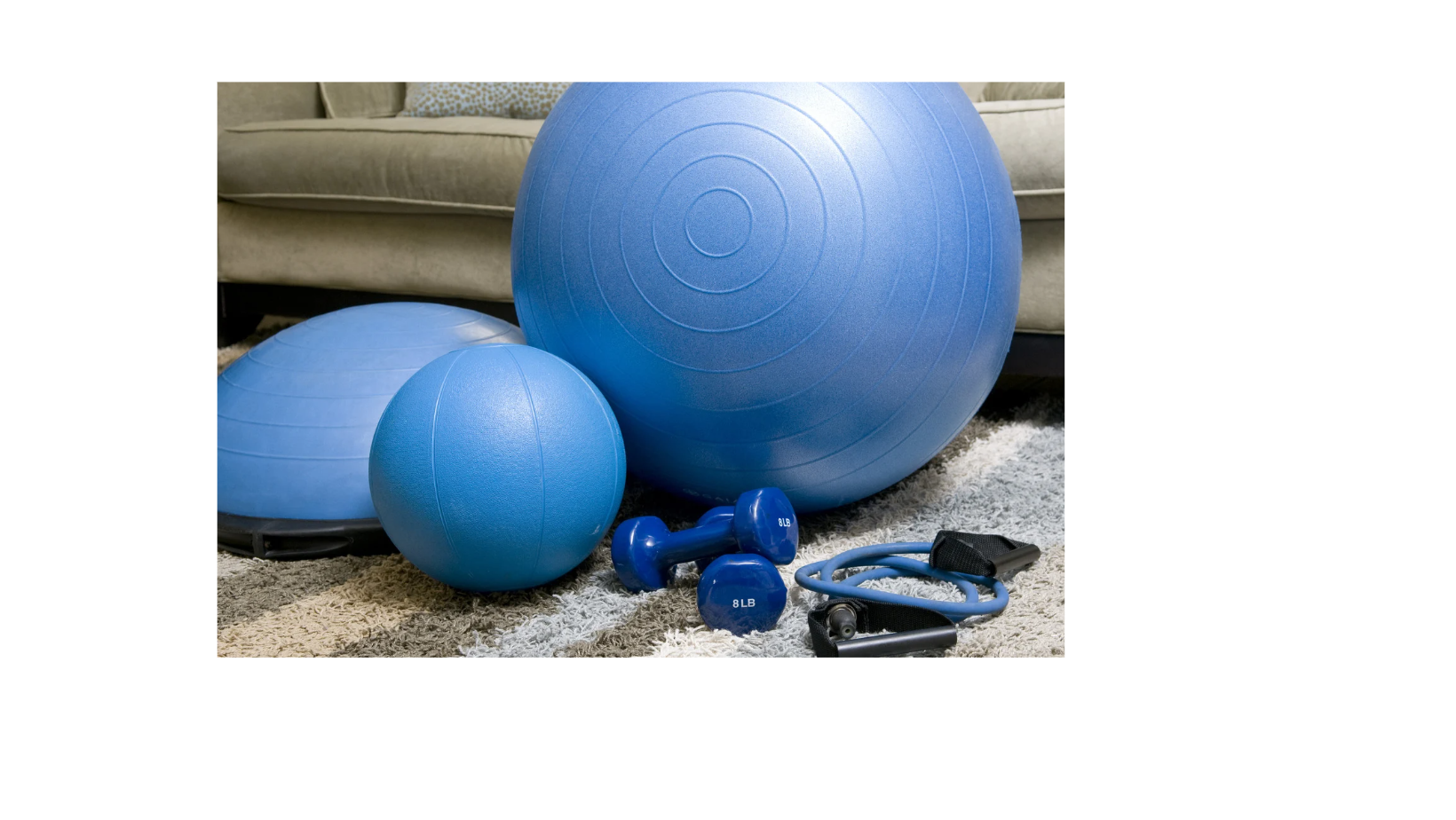
The good thing about strength training is that it doesn’t have to take a lot of time and it can be done anywhere.  2-3x/week is recommended. 30 minutes is recommended, but even 10 minutes can make a difference. There are many strength training exercises that can be done solely with your body weight. It is usually best to start with bodyweight exercises and then progress to adding resistance bands or free weights such as dumbbells, kettlebells, medicine balls, ankle weights  and suspension trainers (like TRX). 

Resistance bands are great because they are lightweight, don’t take up much space, are inexpensive, can be used at home or when traveling and can be used in a variety of ways targeting all large muscles groups. 

Strength training is not just for people that want big muscles or want to look good. It is for everyone and every body. It should not be painful so it is about finding ways to make it work best for you and your body. If you have good muscle strength you will be able to function at a much higher level (doing all the things you want and need to do) for much longer. 

If you are unsure of how to start strength training or if what you are doing includes strength training contact A to Z Personal Wellness.

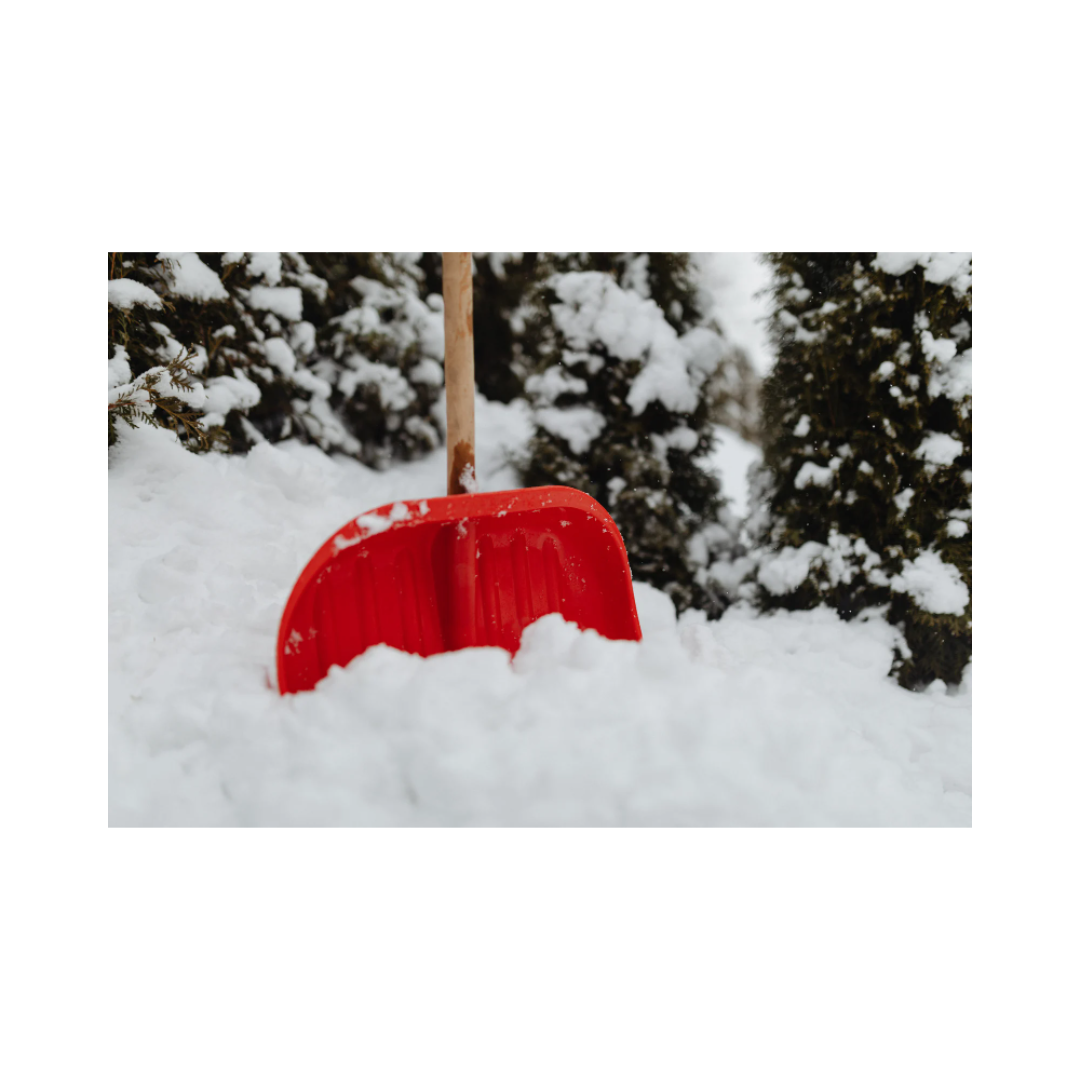
Snow Shoveling Tips to Help you Stay Safe and Pain-free

Luckily we haven’t had to do much shoveling this winter and hopefully it stays that way:) However, it seems like the next few days we may need to do some.

I know some people who love shoveling which is great. I am not one of them but I do feel good after I finish. It is a good form of exercise and I usually love being outside unless it is completely freezing.

Shoveling done smartly and safely can be a good way to stay active in the winter and get some fresh air.

Here are my tips for making shoveling a little easier and having less aches and pains doing it.

  • Dress appropriately! Wear boots or shoes that have non slip grip and will keep your feet warm. Also wear enough winter clothing to keep your whole body warm. Warm joints move and feel much better than when they are cold and stiff. It also helps your balance to be warm enough.
  • Try to shovel in daylight or if it is dark have the area be well lit so that you can see any icy areas or uneven ground.
  • Shovel more frequently if it is supposed to snow a lot so that you can avoid having to lift a lot/heavy snow.
  • Use a good shovel. Make sure it fits you and your height so that it is not too heavy or too long.
  • Hands should be spaced approximately 12inches apart on shovel for good leverage and stability.
  • Avoid lifting any snow with your arms outstretched.
  • Keep the shovel with snow close to your body and center of gravity when you are lifting.
  • Try to push snow as much as possible instead of lifting. If you have to lift, smaller amounts on the shovel will be better for you.
  • Avoid rotating and lifting at the same time.
  • Bend with your knees and hips and not your back to avoid back pain.
  • Engage your core muscles – try to pull your belly button in
  • Avoid throwing snow over your shoulder or to one side because this creates more stress on your spine.
  •  
  • Switch arms so that you don’t overwork one side of your body.
  • Take frequent breaks and make sure to stay hydrated.
  • Doing a little warm up/ stretch before and after shoveling is definitely a good idea.
  • Enjoy the snow!

Contact A to Z Personal Wellness if you have any questions or would like help with exercises to make shoveling easier.

How to Avoid Slips and Falls This Winter

Winter is here which means snow and ice and being indoors more. Here are my tips to prevent slipping, tripping or falling this winter. 

  • When getting out of the car plant both feet and hang onto the door before starting to walk to make sure you have your balance and that it isn’t slippery
  • Dress warmly – cold muscles tense up which affects balance and can cause a fall – also being warm decreases joint stiffness
  • Wear shoes with good traction, even if it is just for a very short distance
  • Wear clothes that fit well – if they are too tight or bulky your movements can be restricted which can lead to a fall or if they are to big/baggy they can catch on things
  • Slow down and give yourself extra time when going places
  • Always have a cell phone with you
  • Keep shoes and walking aides dry and free of snow and ice as soon as you come inside 
  • Avoid walking in more than one inch of snow – snow can hide uneven ground, curbs, and other tripping hazards
  • When walking on surfaces that may be icy, shorten your stride and walk with your feet pointed slightly out and knees gently bent (like a penguin) to improve traction and balance
  • Make sure you have enough lights and night lights in the darkness of winter! Use a flashlight on your key ring for extra light when needed
  • Can also carry a small bag of kitty litter, sand or rock salt with you in case you need to throw some down in a walkway or slippery area
  • Have a table or chair by door/entrance way to set things down when you come in and out of the house so that you are not trying to hold too many things/do too much all at once
  • Can use cleats on shoes and also add ice spikes to canes. Attaching cleats to shoes are great, especially if you want to continue to go for walks outside.
  • Don’t take short cuts when walking, stay on cleared sidewalks and paths
  • Last but certainly not least…keep moving!! Staying active during the winter months is one of the best things you can do for your physical and mental health.

Now you are ready to tackle this winter weather safely:)

Contact A to Z Personal Wellness if you need help staying active and safe this winter.

Home Safety Tips to Prevent a Fall

Did you know that most falls happen in the home? There are ways to make your home more safe to decrease your risk of falling. 

Here are some tips to prevent falls in your home. 

1) Avoid having cords or wires on the ground or in an area where you have to walk around or over them

2) De-clutter! Avoid having clutter around, the less tripping hazards the better off you will be

3) Have proper lighting- keep spare light bulbs at your house and in an easily accessible place. Is there a light close to your bed? It is best to have a light that is within reach of your bed. Use nights lights! You can get motion sensor lights which can be helpful especially at night.

4) Try to keep objects off of the floor

5) Have a clear path from your bed to the bathroom

6) Avoid and/or be cautious with area rugs – if you have them, use double sided tape or non-slip backing so they don’t move around

7) Have non-slip mats in the shower/tub and always watch out for wet spots on the floor. Grab bars are also great to have.

8) In the kitchen, try to keep things you use often on the lower shelves of cabinets, or around or at counter/waist height.

9) Outdoors or indoors, make sure to have sturdy handrails ( 2 rails are better than 1!). Keep steps cleared, well lit, and if they are uneven, loose, or in rough shape, fix them; it will be worth it!

10) Exercise or get some form of physical activity daily! 🙂

If you would like more ways to make your home safer, would like a consultation/walk through of your home with safety recommendations or have questions please contact A to Z Personal Wellness.